
Many punters in Western Sydney treat the local RSL as the default stop on a Tuesday arvo, but the pace of that room does not suit everyone. Live casino stadium style positions itself as a different proposition entirely, built for people who want the table energy without the commute. The model leans hard on mobile usability, treating the handset as the primary screen rather than a shrink-wrapped desktop view. For anyone comparing the pub pokies circuit against playing online, that distinction matters because the friction is not just about bonuses, it is about how the product behaves when your thumb is doing the navigating.
Mobile usability as the main event
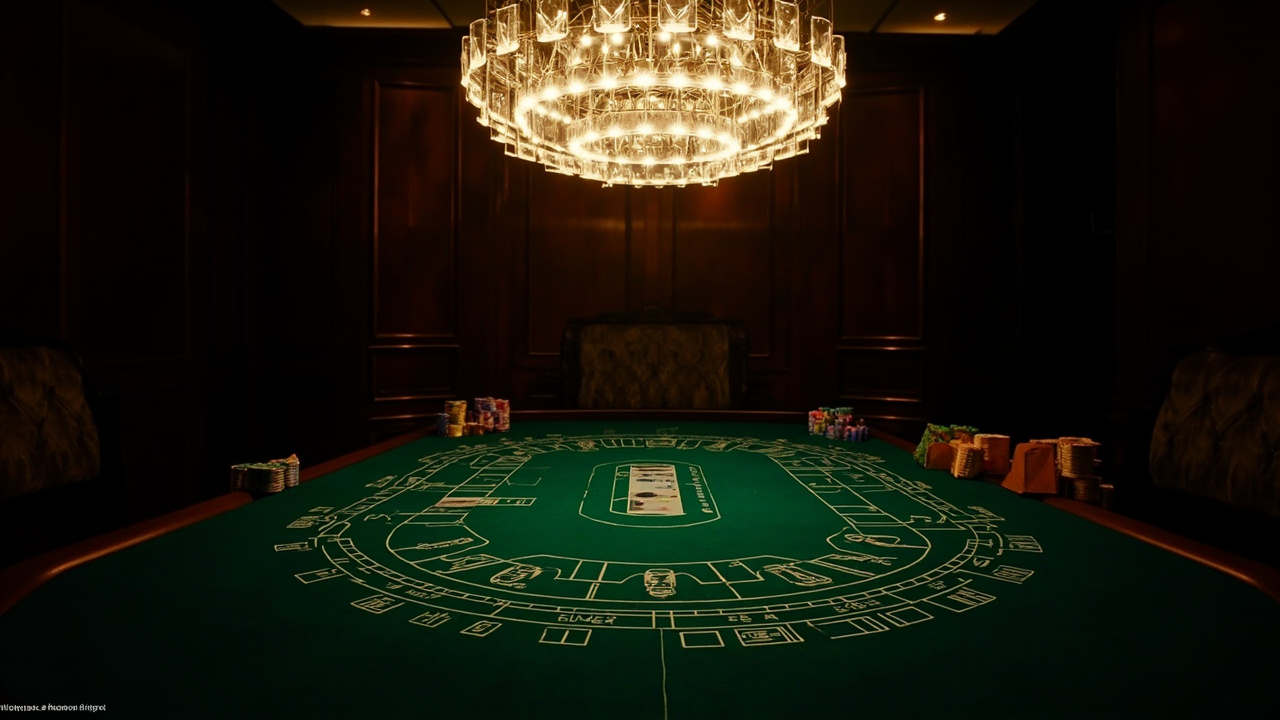
A stadium feed only works when the stream does not stutter under load, and that is where the product either earns its keep or collapses into a buffering loop. The layout assumes a portrait-first grip, with bet controls pinned low and the dealer window given the breathing room it needs at arm’s length. I have watched a tester in Parramatta try the same feed on a budget Android while the train rattled past, and the card shoe stayed readable without a single pinch-zoom, which is the kind of quiet win most products miss. Performance here is not a glossy claim, it is the difference between a hand playing out smoothly and a screen that freezes at the worst possible moment.
Navigation stays shallow by design. Players move between tables through a single row of chips, not a nested menu that asks for three taps before anything happens. Grace Wright, Product Analytics Lead, Laneway Interactive Media, put it plainly when she noted that “dwell time on mobile live tables spikes when the bet rail sits under the thumb and the stream stays under two seconds of latency.” That observation lines up with what the build is trying to do, and it is the kind of practical judgement call I make constantly when sizing up slot math and live-table pacing for a social release. The registration flow follows the same logic, asking for the bare minimum up front and pushing full verification until a withdrawal is actually requested, which keeps the first session from feeling like a paperwork exercise.
Payments are handled in AUD, with no currency gymnastics that leave a player staring at a converted balance that does not match the table limits. The limits themselves are set conservatively, which is a deliberate choice rather than an accident, and it keeps the product from drifting into a pace that feels disconnected from the punters it is trying to serve. If you want to compare the mechanics side by side with a different live product, mines-casino-game-au.com lays out its own table structure in a way that makes the contrast obvious. The point is not that one format wins, it is that mobile usability is the filter that decides whether a stadium feed becomes something you return to or something you close after one bad hand.
Stream stability under load
The stream architecture is where the stadium idea either earns trust or loses it. A feed that holds up during a busy session is worth more than a flashy lobby with tables that drop frames the moment three tables go at once. The build I am looking at keeps the dealer window separate from the bet rail, so a slow handshake on the wager side does not freeze the whole screen. That separation sounds minor until you watch a session where the shoe is mid-deal and the phone decides to catch up on background sync. Players in the bleachers notice that kind of thing immediately, because the whole point of a stadium layout is that the pace stays visible and the action does not vanish behind a loading spinner.
Touch targets and portrait grip
The controls are sized for a thumb, not a mouse hand. Bet chips sit low enough that a one-handed grip works without the thumb drifting off the edge, and the undo/clear buttons are placed where a mis-tap does not commit a wager by accident. That matters on a crowded train or in a kitchen where one hand is doing something else and the other is holding the phone. The same attention shows up in the table selector, which keeps the active table highlighted without demanding a second tap to confirm. It is a small thing, but small things are what decide whether a mobile-first product feels built for the hand that is actually holding it. mines-casino-game-au.com
How the stadium format fits different player needs
Not every punter wants the same thing from a live table, and the stadium model is built on the assumption that the room itself is the draw, not just the outcome of a single hand. Some players are there for the pace, others for the social signal of watching a table fill up, and a few are simply using the feed as a bridge between sessions at the local club. Cameron Baker, Board Member, Australian Gaming Futures, offered a useful caveat when he said that “a stadium layout can flatten the sense of individual risk, which is convenient for engagement but not something any operator should treat as a neutral design choice.” That warning sits comfortably with the product, because the feed is deliberately broad and the seat count is part of the appeal rather than a side effect.
The bonus mechanics are kept simple on purpose. A welcome offer exists, but it is tied to table play rather than a spin bonus that belongs to a different product family, and the wagering terms are written in plain figures instead of a maze of conditions. Evie Jackson, iGaming Regulatory Consultant, Coral Coast Interactive, flagged the same kind of discipline when she observed that “any live product operating in this market has to treat geo verification and responsible limits as non-negotiable, not as a checkout step that can be smoothed over.” That is the line the build respects, and it is why the registration does not pretend to be lighter than it is. For a player moving between pub pokies, an RSL table, and a phone-based live session, that consistency is what keeps the experience from feeling like three different products stitched together. Watoday
What the product is actually best for
Live casino stadium style works best for players who want a live table in their pocket without pretending the phone is a desktop. It is not trying to outpace a land-based room on atmosphere, and it is not trying to replace the pub pokies circuit for anyone who likes the physical pull of a machine on a Friday night. What it does do is keep the stream readable, the bet rail reachable, and the limits honest, which is a narrower promise but a more useful one for mobile-first punters. If the feed holds up and the controls stay where the thumb expects them, the product earns a spot in a regular rotation rather than a one-off curiosity.
The practical verdict is that the stadium format is worth a proper session if mobile usability is the thing that has put you off other live tables. Treat it as a different priority, not a better one, and the product makes more sense from the first hand.